Growth was hard to separate from normal training. I kept my calories and split consistent for eight weeks and watched the logbook closely. My estimated bench strength was essentially unchanged, weighted pull-ups stayed at 65 pounds, and I did not see a clear recovery advantage.
That does not mean phosphatidic acid can never work. It means an mTOR signal is not the same as guaranteed new tissue. Training, nutrition and progression still have to create the conditions for growth.
Phosphatidic acid is biologically involved in mTOR signaling, and some trials have reported positive strength or body-composition outcomes, but the evidence is not strong enough to portray signaling as guaranteed hypertrophy.
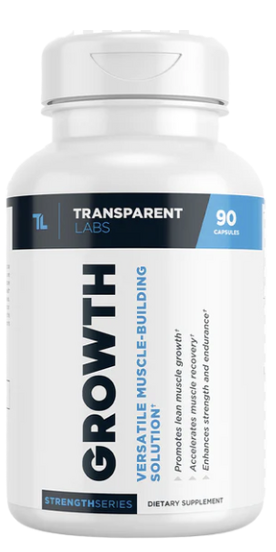
Growth is the product I wanted to work but could not objectively separate from normal variation
Growth concentrates entirely on one long-term signal — 750mg phosphatidic acid — and across a structured eight-week personal test my logbook did not show a clear strength or recovery advantage. That doesn't prove it can't work, but it's a subtle-or-absent effect aimed at advanced lifters.
For most people, a multi-ingredient formula you can actually feel — like Build — is the better buy, and neither product replaces creatine, protein, calories and progression.
FitFrek score: 5.5/10.